
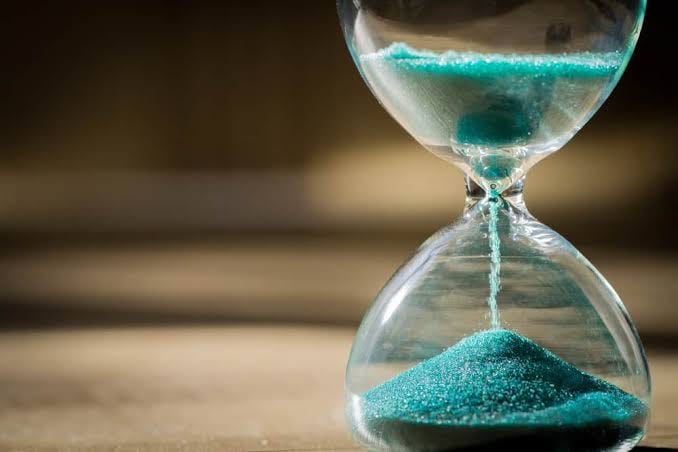
The Moment I Realized Impulse Was Costing Me
I used to think that being decisive was a strength — until I realized my decisiveness was draining my wallet. Whenever I saw a “limited-time offer,” I jumped on it, terrified of missing out. I’d buy gadgets the day they launched, pay extra for express shipping, and never wait for sales because “time is money.” But one day, after noticing how quickly my savings were evaporating, I decided to test something different: waiting. I started tracking prices of items I wanted — shoes, headphones, even groceries. Within a few weeks, I discovered that almost everything eventually went on sale. The same sneakers I’d once bought for $120 dropped to $75 a month later. That realization was humbling. I wasn’t unlucky or broke — I was impatient. And impatience, I learned, is the most expensive habit of all.
Learning the Psychology Behind Patience
Once I noticed the pattern, I began reading about the psychology of waiting. Studies show that impulsive buying triggers the brain’s reward center, giving a short burst of dopamine — the same chemical linked to pleasure and excitement. Retailers know this and design their marketing around urgency: “Only two left!” or “Deal ends tonight!” I realized I wasn’t making rational choices; I was responding to emotional triggers. So I started rewiring my response. Before buying anything non-essential, I created a “cool-off” rule — wait 48 hours. Most of the time, the desire faded, and I didn’t even want the item anymore. When I did, I searched patiently for discounts, coupons, or resale options. It felt strange at first — like fighting an itch — but soon the reward of saving money started giving me a better kind of satisfaction: control.
Patience in Practice — From Shopping to Daily Life
Practicing patience began with shopping, but it didn’t stop there. I realized that the same impulse that made me overspend also made me rush in other areas of life — from hurrying through emails to getting frustrated in traffic. I decided to slow down intentionally. I began setting small “pause points” during my day: taking a breath before replying to messages, waiting an extra day before making plans, and giving projects more time to unfold. Surprisingly, everything improved. My communication got clearer, my decisions became smarter, and my stress dropped. Even waiting in line became a mindfulness exercise rather than an annoyance. The same mindset that helped me buy cheaper things also helped me live more richly. Patience wasn’t just saving me money — it was giving me peace.
The Tangible Rewards of Waiting
Over time, the financial benefits became undeniable. I started using price-tracking tools, waiting for seasonal sales, and exploring secondhand platforms like Facebook Marketplace and eBay. Instead of paying $1,000 for a new phone, I bought one slightly used for half the price. Instead of rushing into big purchases, I researched thoroughly — reading reviews, comparing features, and watching for promotions. The difference added up quickly. Within a year, my spending had dropped by nearly 30%, without feeling deprived at all. The funny thing? I actually owned better things — items I truly valued because I’d taken the time to choose them carefully. Waiting taught me to distinguish between wanting something and needing it. The less I chased instant gratification, the more satisfied I felt when I finally made a purchase.
Patience as a Long-Term Investment
Patience turned out to be more than a money-saving tactic — it became a mindset that improved every part of my life. It taught me that good things don’t just come to those who wait; they come to those who wait wisely. Whether it’s finances, relationships, or personal goals, slowing down allows clarity to surface. Now, I see patience as an investment — one that compounds over time. Every delay, every moment of restraint, adds value somewhere else. I’ve learned to celebrate the space between wanting and getting, because that’s where growth happens. The art of patience, I realized, isn’t about deprivation; it’s about mastery — over time, over impulse, and ultimately, over myself. And perhaps the sweetest part of it all? Everything really does get cheaper when you learn to wait.